https://www.youtube.com/watch?v=4iXawr9iVjY
Symphony No. 7 – 4th Movement by Antonín Dvorak
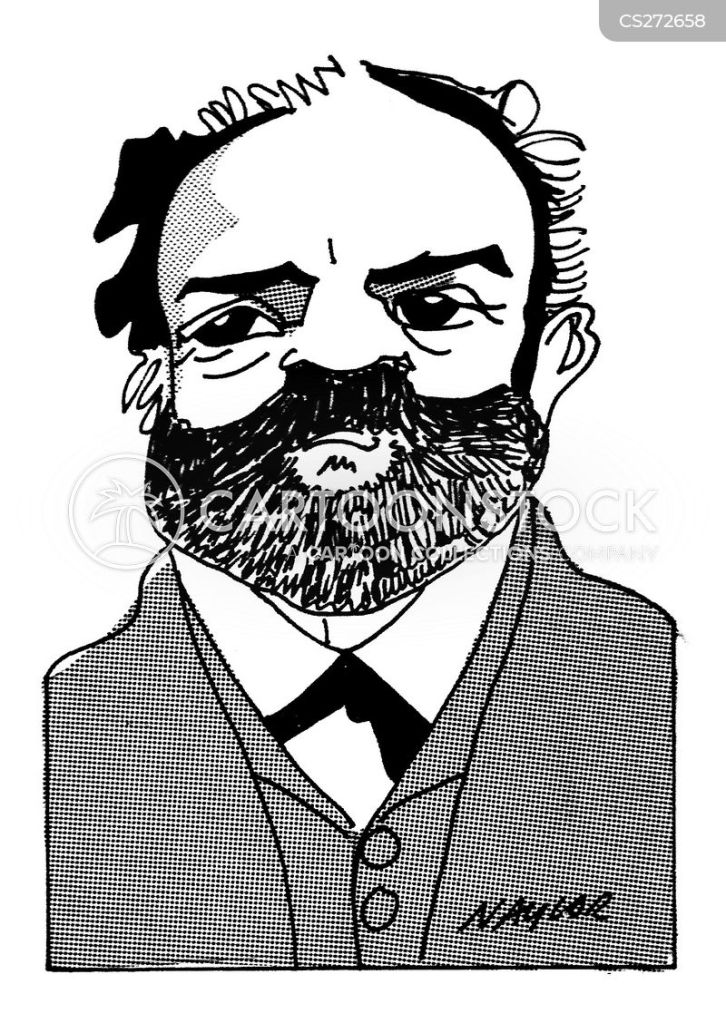
I had a hard time picking the piece for my second blog until yesterday when my YouTube music sent me my quarterly wrap report. While my top artist is Yuja Wang (a no-brainer), my top listened piece somehow is a magical fit to be my second blog – it is a perfect turn from the last lyrical piece into a completely different theme, plus the fact that I can’t Andante no more, so let’s Allegro (and he named it… con fuoco 🔥🤷🏻♀️). I’d like to dedicate my second blog to a piece that’s more dramatic and heroic — introducing Dvořák’s Symphony No. 7 4th movement, and it is one of my favorite finales.
What’s on your mind when you first think about Dvořák? If you are not into classical music, it’s probably “how to say his name?” If you are into classical music… probably No. 9 New World? I actually had a very unique introduction and a special connection with Dvořák. When I was a baby, the first piece of his that I heard was <Song to the Moon> in Rusalka (shoutout to my soprano mom). Therefore, I was always under the impression that his instrumental style is soft and dreamy, and he was famous for opera composing, just like Puccini… until the first time I heard his Slavonic Dances, which slapped me out of my fixation. Later on, I dove into his music and realized that he is actually famous for bright, strong, color pieces.
Dvorak’s life began in Bohemia (now Czech, and yes I saw the massive statue of him in front of the square when I visited in 2024) where he was born into a poor family. When his father forced him to become a butcher, he ran away and began composing; much later in his life (in his 50s), he met a wealthy lady named Jeannette Thurber who changed his life. Jeannette was trying to build a conservatory in New York. She attempted to bring Dvorak to New York to teach but was refused several times. He was eventually persuaded by his wife and $15K, which was 25x higher than his salary at that time. Surprise, surprise, the conservatory that Jeannette Thurber was trying to build (which later got support from Andrew Carnegie) ultimately transformed into part of the Juilliard School today 🤯. So, Dvorak moved to Manhattan and lived on E 17th Street, where he composed the #9 New World (which is actually about America!). So back to the piece of my topic, from the moment he left until he moved to New York, the majority of his life was in Europe and he struggled financially. When he was composing #7, he also suffered from the loss of his mother — which explained the darkness and intensity of the theme. The first time he premiered this piece was in London in 1885 (140 years ago, and we are still here!).
BRASS!! This whole piece screams brass and it marks the most remarkable part of the whole orchestra, but I have to say my favorite is the percussion – If you don’t get what I mean, please go to 8’23”. It’s such a dark piece that can either fit in one of the Star Wars, or when your boss walks into the office.
There are many recordings out there, and my favorite is another under-the-radar recording with LSO and Sir Colin Davis in 2003. Compared to other recordings, it is on the slower end with some very unique interpretations 🤔 I also listened to a couple of famous recordings out there, including Bernstein and Dudamel… They made me feel insecure because none of them did what Sir Colin Davis did at certain measures – HE ADDED RUBATO! I even had to check the music score but, yeah, they were just simply 16th rests, no rubato 😑. Unfortunately, I just can’t help with the buildup. If Colin is wrong, I don’t want to be right, wink.
The YouTube link I posted is a video the original score played long the music – Thank you Tim Meksvanh (I don’t know you but you are the best). 🔍 +5pts if you can find the 16th rests that I’m deeply troubled with.
 RT's Right Brain